
Post-Antibiotic Reset: How to Heal Your Gut After Antibiotics
Dec 29, 2025
If you’ve taken antibiotics and now your digestion feels unpredictable, your mood swings more than you expected, or food leaves you feeling uneasy, it’s not “just in your head.” What many people don’t realize is that antibiotics (while life-saving!) can also create major shifts in your gut ecosystem.
Your gut microbiome plays a key role in digestion, immunity, mood regulation, nutrient absorption and even skin health. When antibiotics reduce both harmful and beneficial bacteria, the result can be an ongoing imbalance until you support the recovery process intentionally.
In this blog, you’ll learn:
- What antibiotic gut damage looks like
- Why a structured gut reset plan matters
- How to restore gut bacteria and strengthen your microbiome
- When functional testing like the GI-MAP makes a difference
Thankfully, it is possible to heal your gut after antibiotics using a personalized evaluation that includes evidence-based nutrition and strategic supplementation.
The Hidden Cost of Antibiotics: What Happens in Your Gut
Antibiotics save lives by clearing bacterial infections. But they don’t distinguish between pathogens and the beneficial microbes that live in your gut. After a course of antibiotics, research shows that changes in microbial diversity and abundance can persist for months or longer, depending on dose and frequency of use.
For some bacterial groups, recovery may take up to a year or more.
After antibiotics, your gut may experience:
- Microbial imbalance: Loss of beneficial bacteria like Lactobacillus and Bifidobacterium creates space for less helpful microbes and reduces the chemical signals they normally send. These signals, also called microbial and metabolic signaling, are how your gut communicates with your immune system, brain and metabolism. When they’re disrupted, everything from your digestion to mental health can feel off.
- Opportunistic overgrowth: Yeasts and less desirable bacteria can expand into the space left behind. Some people develop symptoms like gas, bloating or diarrhea.
- A weakened gut lining: Helpful microbes normally strengthen the gut barrier. When they’re low, your intestinal lining may become more permeable, a.k.a. leaky gut, letting irritants into the bloodstream and triggering inflammation
- Immune and mood impact: Your microbiome interacts with immune function and the nervous system. When it’s imbalanced, people often notice mood changes, fatigue and more frequent infections.
These effects are why many people feel different after antibiotics, and why nutrition and microbiome-centered support can be such a powerful reset.
Supporting Emma Through Her Gut Reset
Sometimes the best way to understand gut recovery is through real-life examples. Emma’s story shows how a structured plan can help rebuild the microbiome after antibiotics.
Emma had spent years on antibiotics to manage acne and recurring UTIs. The infections cleared, but soon her body felt different. She noticed bloating after most meals, constant fatigue, occasional digestive discomfort and skin flare-ups that did not respond to her usual routine.
Her primary care provider ran routine tests, but everything “looked normal.” Still, she knew her body wasn’t functioning the way it used to.
We recommended a functional stool test, including the GI-MAP panel, to look deeper at her microbiome composition, inflammatory markers and digestive enzyme status. What we discovered was revealing: her beneficial bacteria were significantly depleted, and inflammatory markers were elevated.
These were all patterns consistent with repeated antibiotic-related disruption.
Rather than guessing what might help, we built a step-by-step gut reset plan. She introduced probiotics and fermented foods to rebuild beneficial bacteria. She added prebiotic-rich foods like garlic, onions, oats and asparagus to feed the good microbes. Nutrients such as L-glutamine, collagen and zinc carnosine helped repair her gut lining.
Alongside these changes, she adopted simple habits to support digestion and manage stress.
Over several months, Emma noticed steady improvements. Her bloating eased, food sensitivities became less of an issue, energy returned, and her skin calmed. Most importantly, she regained confidence in her body again by no longer suppressing symptoms but by strengthening her foundational biochemistry.
With a clear plan that focuses on restoring balance and supporting digestion, you can rebuild your gut health, too!
Understanding the Core Concepts of Gut Recovery After Antibiotics
Before you dive into any reset plan, it helps to understand the key concepts behind healing your gut.
Why diversity matters
A healthy gut contains hundreds of bacterial species. Each plays a role in digestion, nutrient absorption and immune regulation. Antibiotics can drastically reduce this diversity, leaving the gut ecosystem vulnerable.
When diversity is low, harmful bacteria can overgrow, inflammation can increase and digestion may slow. Rebuilding diversity is essential for a stable gut environment.
Why probiotics alone aren’t a cure-all
Supplements and fermented foods introduce beneficial bacteria and can reduce some antibiotic-related symptoms. However, probiotics alone cannot fully restore the microbiome. Without the combination of prebiotics, nutrients and gut lining support, new bacteria may struggle to maintain long-term balance.
Feeding your microbes with prebiotics
Prebiotics are fibers that beneficial bacteria ferment into metabolites that strengthen the gut lining and communicate with the immune system. Including foods like garlic, onions, leeks, asparagus, oats, and green bananas helps the microbes introduced through diet or supplements perform their functions.
Gut lining repair supports recovery
The intestinal lining acts as a barrier between gut contents and the bloodstream. Antibiotics and microbial imbalance can damage this barrier, leading to inflammation and digestive symptoms. Nutrients like L-glutamine, collagen and zinc carnosine, along with soothing herbs like aloe or deglycyrrhizinated licorice (DGL), help the gut lining recover and support microbial balance.
Understanding these core concepts explains why gut recovery involves multiple steps. Rebuilding a diverse colony of bacteria and repairing the lining within your gut works together to restore balance and reduce discomfort after antibiotics.
Your Post-Antibiotic Gut Reset Plan
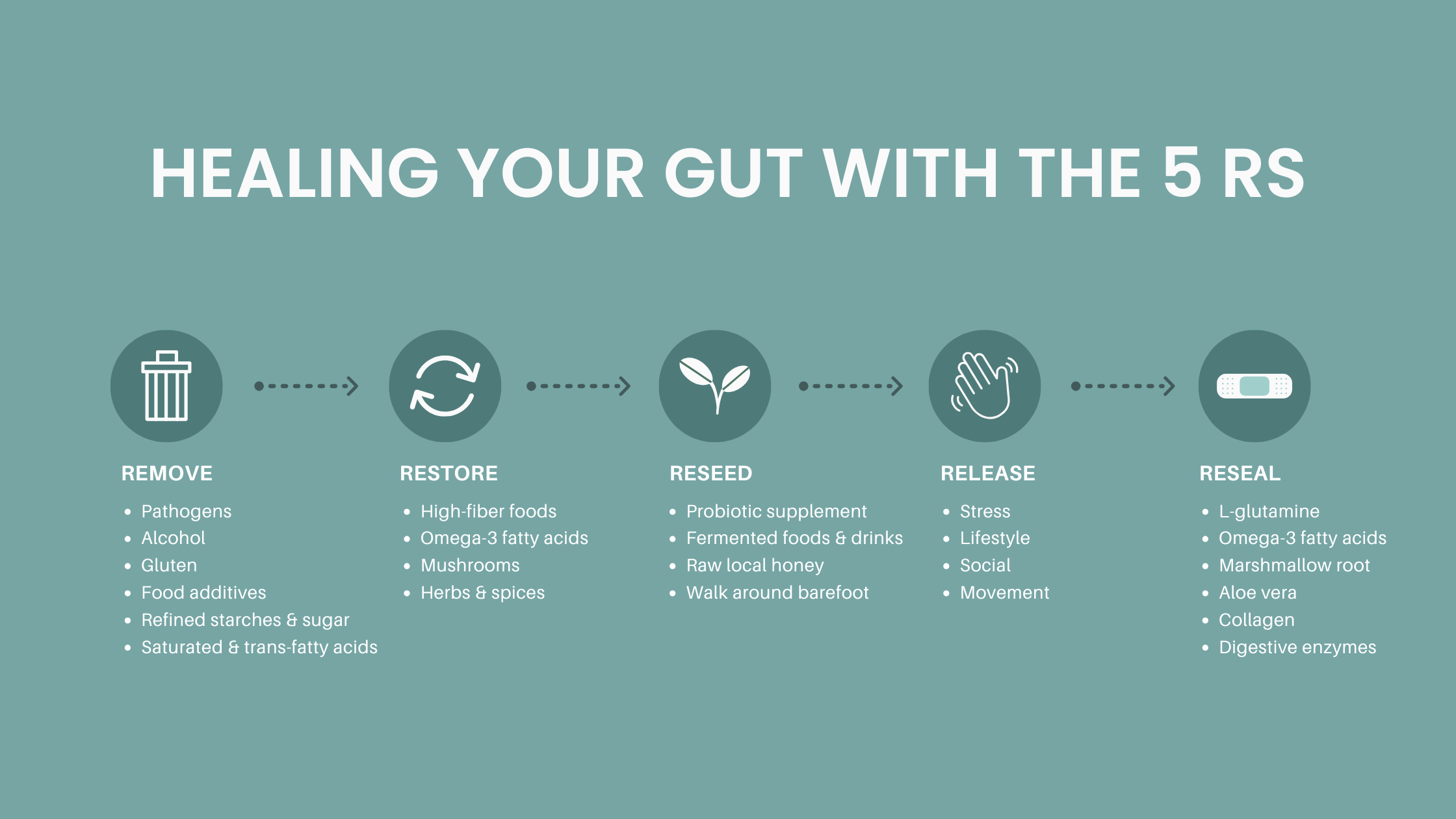
Recovering your gut after antibiotics can feel confusing and overwhelming. Many people struggle with bloating and fatigue or notice new food sensitivities and do not know where to start. This plan breaks the process into clear steps. Think of this as a starting framework you can adjust with your certified clinician or coach.
1. Reintroduce Beneficial Bacteria with Strategy
Probiotic foods and supplements can help replenish beneficial strains.
- Yogurt, kefir and fermented vegetables offer live cultures and digestive support.
- Supplements that include Lactobacillus, Bifidobacterium and Saccharomyces boulardii can be particularly useful when chosen based on your symptom profile.
Tip: Rotate strains over time instead of sticking to one product long-term to support bacteria diversity and long-term microbiome health.
2. Feed the Good Guys with Prebiotics
Prebiotics are essentially the fertilizer your beneficial bacteria need. Foods rich in prebiotic fibers include:
- Garlic, onions, leeks
- Asparagus and Jerusalem artichokes
- Green bananas and oats
These foods encourage bacterial fermentation that supports gut health and vitality.
3. Build Your Diet Around Whole, Nutrient-Rich Foods
A foundation of real foods gives your microbiome and your body the nutrients they need to rebuild.
Focus on:
- Colorful vegetables and fruits
- Fiber-rich legumes and seeds
- Clean proteins like fish, chicken and legumes
- Healthy fats such as olive oil, nuts and avocado
Avoid high-sugar and highly processed foods during your reset phase, as they can feed less desirable microbes and perpetuate imbalance.
4. Support Gut Lining Repair
A compromised gut barrier can contribute to ongoing symptoms like sensitivity, inflammation and immune reactions.
Nutrients that support barrier function include:
- L-glutamine: a key fuel for intestinal cells
- Zinc carnosine: supports mucosal repair
- Collagen peptides: provide amino acids that help reinforce connective tissues
Certain herbal allies like aloe and deglycyrrhizinated licorice (DGL) may also help soothe and nourish the intestinal lining. Work with a certified health practitioner for doses and combinations.
5. Test, Don’t Guess
If your symptoms persist after general reset efforts, stepping up to functional stool testing like GI-MAP can be incredibly informative.
Why it matters:
- It reveals which specific bacterial strains are missing or overgrown
- It detects yeast, parasites or imbalances traditional tests miss
- It provides insight into immune and digestive markers
Instead of guessing which supplements or foods might help, you get data to inform a personalized strategy rooted in what’s happening inside your gut.
Why Personalized Gut Healing Matters
Recovery is not one-size-fits-all. Each gut responds differently to antibiotics, so understanding your unique needs increases the chances of lasting improvement. Generic advice can help temporarily, but combining nutrition, probiotics, gut lining repair, and lifestyle support creates a foundation for long-term recovery.
Your microbiome has remarkable resilience. With support that includes nutrient-rich food, targeted probiotics and prebiotics, barrier repair, and functional testing, you can reverse antibiotic gut damage and build stronger digestive health than before.
The path back to balance starts with understanding your body and feeding it what it needs to thrive.
Ready to Heal Your Gut After Antibiotics?
If you’re dealing with bloating, sensitivities, low energy or digestion that doesn’t feel like your own after antibiotics, let us help you build a gut reset plan that works for you.
Schedule your Discovery Call to start your post-antibiotic healing today.
DON’T MISS THIS!
START YOUR PATH TO BETTER HEALTH
Take our free Gut Health Assessment today and discover personalized steps to improve your digestion and well-being. Don’t wait—unlock the key to a healthier you now!
