
Why Tendon Pain Won’t Go Away (And What Actually Helps)
May 02, 2026
Why Tendon Pain Doesn’t Heal
Tendon injuries have a way of lingering longer than expected.
You rest. It starts to feel better. You go back to activity… and the pain comes right back.
Whether it’s Achilles pain that won’t go away, stubborn tennis elbow, or a shoulder that flares up every time you return to workouts, many people get stuck in the same frustrating cycle:
rest → feel better → return to activity → pain returns
For years, the advice was simple: rest, ice, and avoid aggravating activity.
But we now know tendon recovery doesn’t work that way.
Healing requires:
- the right mechanical stimulus
- the right internal environment
- and the right nutritional support
In other words—recovery doesn’t happen in just one place.
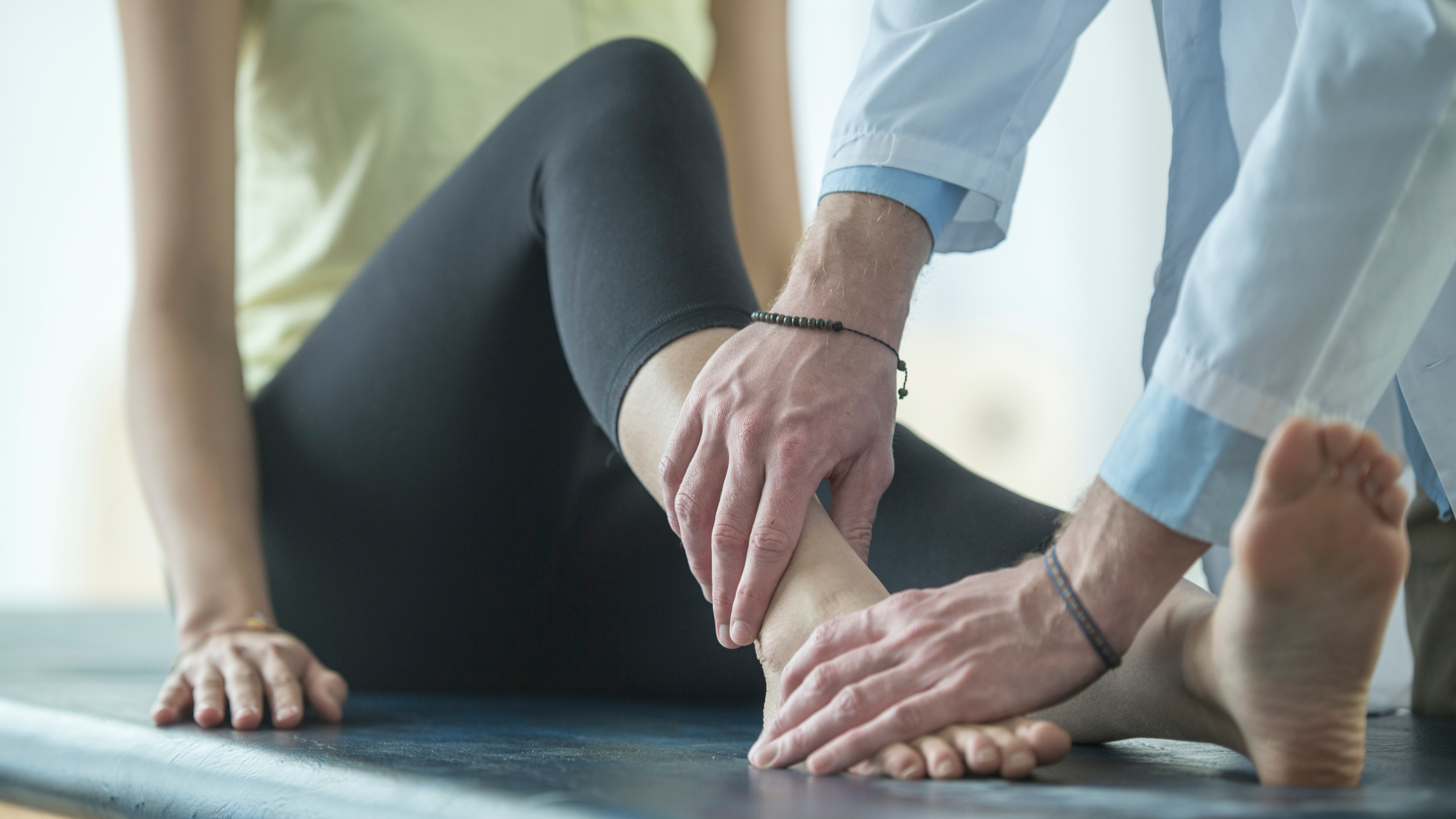
Physical therapy helps guide the tendon through progressive loading so it can rebuild strength and resilience. Nutrition provides the raw materials needed to repair connective tissue. And supportive therapies can help optimize hydration and micronutrient status to support healing at the cellular level.
When these pieces work together, the body is much better equipped to recover.
A Collaborative Approach to Tendon Recovery
This article brings together three local experts to show what that looks like in practice:
- Joanna Kahn, PT — Personal PT
- Emilie Davis, MScN — Whole Essentials Nutrition
- Megan James — Prime IV Hydration & Wellness
Because when it comes to stubborn injuries…
it’s rarely just one thing.
Physical Therapy Perspective: Why Tendons Need the Right Amount of Stress
Joanna Kahn, PT — Personal PT
As Joanna explains, tendons don’t respond well to complete rest. They need the right amount of loading to stimulate collagen production and rebuild strength.
But that process requires more than just movement.
Once the body receives the signal to repair, it still needs the building blocks to actually rebuild that tissue.
That’s where nutrition plays a critical role.
Nutrition Perspective: Supporting Tendon Healing from the Inside Out
Emilie Davis, MScN — Whole Essentials Nutrition
When someone develops chronic tendon pain, the focus is often on the injured area itself. But tendon repair isn’t just mechanical—it’s deeply biological.
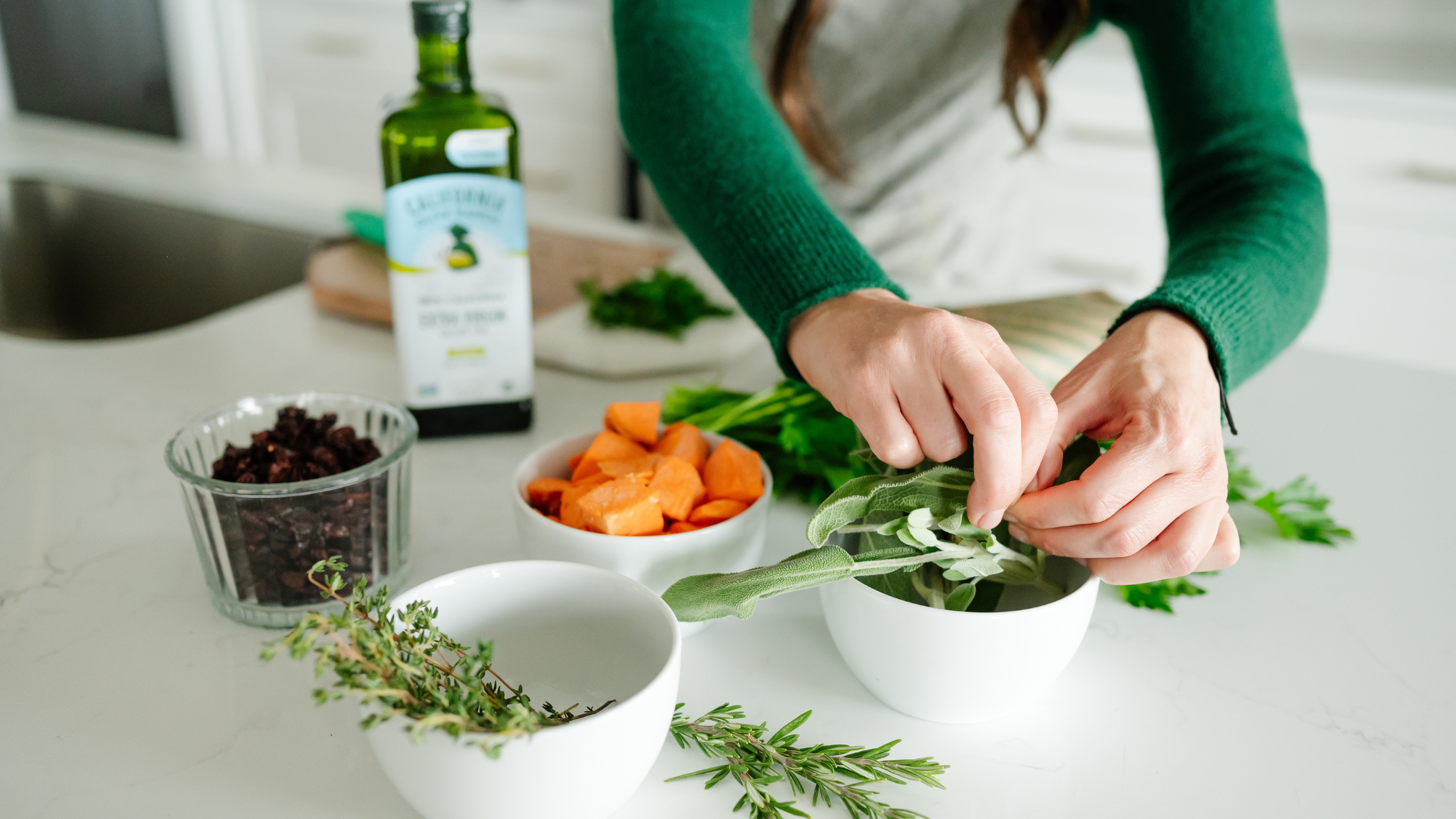
Your body is constantly rebuilding connective tissue, and that process depends heavily on having the right nutrients available.
Think of it this way:
Physical therapy provides the signal.
Nutrition provides the building blocks.
Without both, recovery can stall.
Protein: The Foundation of Tendon Repair
Tendons are primarily made of collagen—a structural protein that gives them strength and resilience.
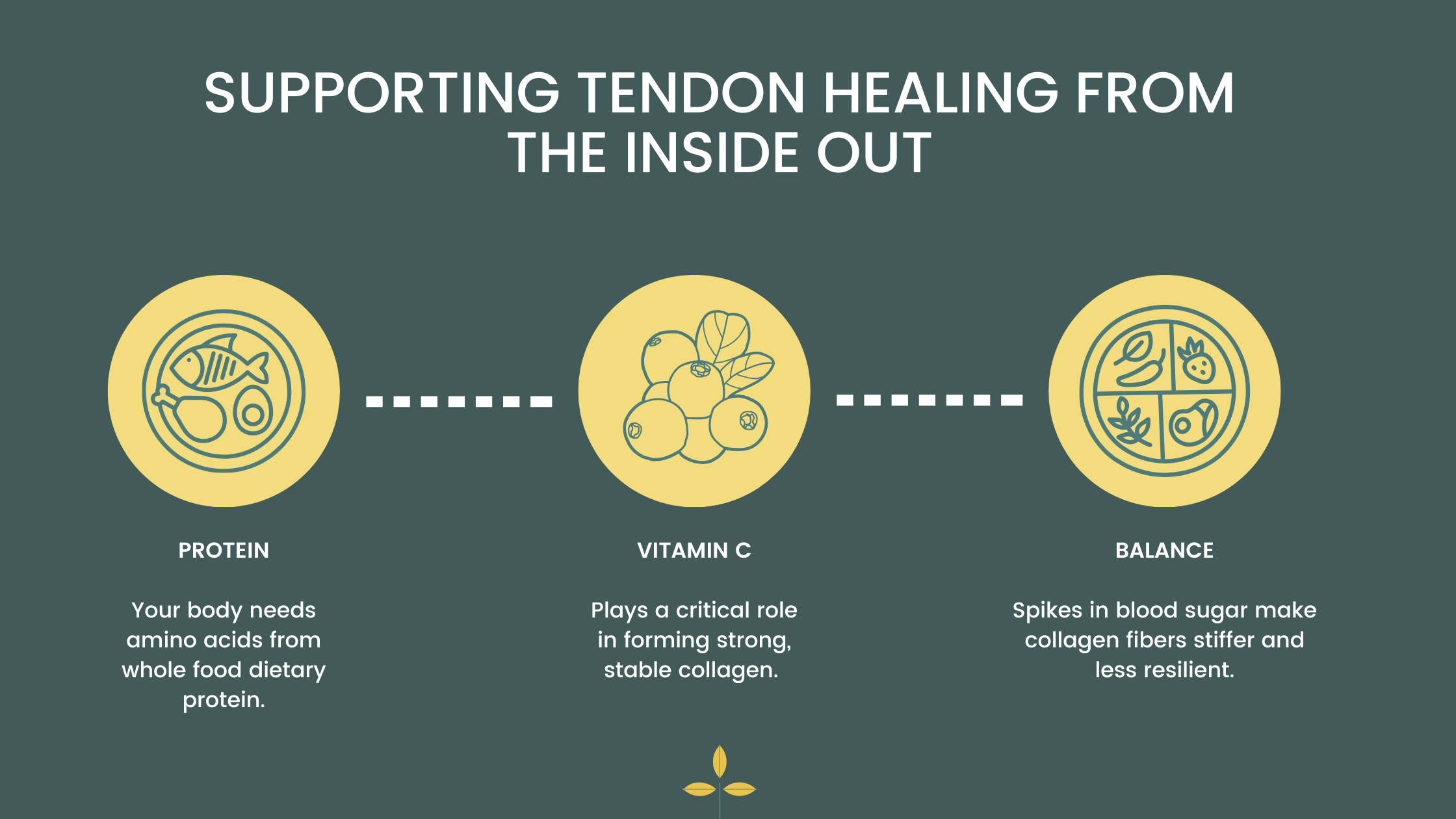
To build collagen, your body needs amino acids from dietary protein—especially glycine, proline, and hydroxyproline.
These come from foods like:
- Fish
- Poultry
- Eggs
- Grass-fed meats
- Bone broth or collagen-rich foods
Many people recovering from injury are unintentionally under-consuming protein, which can slow tissue repair.
In general, individuals recovering from injury often benefit from slightly higher protein intake to support tissue repair. Individual protein needs can vary based on factors like body size, activity level, injury severity, and overall health status, so working with a nutrition professional can help determine what’s appropriate for you both during recovery and beyond.
Vitamin C: Essential for Collagen Formation
Vitamin C plays a critical role in forming strong, stable collagen.
Without it, your body simply can’t assemble collagen effectively—even if you’re eating enough protein.
Foods rich in vitamin C include:
- Bell peppers
- Citrus
- Berries
- Kiwi
- Broccoli
- Leafy greens
This is why pairing protein or collagen with vitamin C around exercise may support tendon repair.
Blood Sugar & Tissue Quality
One often-overlooked piece of tendon health is blood sugar balance.
Frequent spikes in blood sugar can lead to the formation of compounds that make collagen fibers stiffer and less resilient.
Over time, this can impact tissue quality and recovery.
A balanced approach—built around protein, fiber, and healthy fats—helps support more stable energy and healthier connective tissue.
Gut Health & Inflammation
Here’s where things go deeper.
Chronic tendon pain isn’t always just about overuse. In many cases, there’s an underlying layer of systemic inflammation.
And one of the biggest drivers of that?
Gut health.
Your gut plays a central role in regulating immune function and inflammation throughout the body.
When the gut is out of balance—due to diet, stress, or microbiome shifts—low-grade inflammation can increase, making tissues more sensitive and slower to heal.
Supporting gut health with:
- whole, minimally processed foods
- adequate fiber
- fermented foods
- balanced blood sugar
helps create an internal environment where healing can actually happen.
Healing Isn’t Local—It’s Systemic
Tendon healing isn’t just about the tendon.
It’s about the entire system working together—movement, digestion, nutrient absorption, inflammation, and recovery.
That’s why the most effective approach often isn’t just “do more rehab”…
…it’s support the body as a whole.
Even when someone is eating well, injury and recovery can increase the body’s demand for key nutrients involved in tissue repair.
Vitamin C, magnesium, and amino acids are all critical—but not always optimized.
In some cases, more targeted support can help bridge that gap.
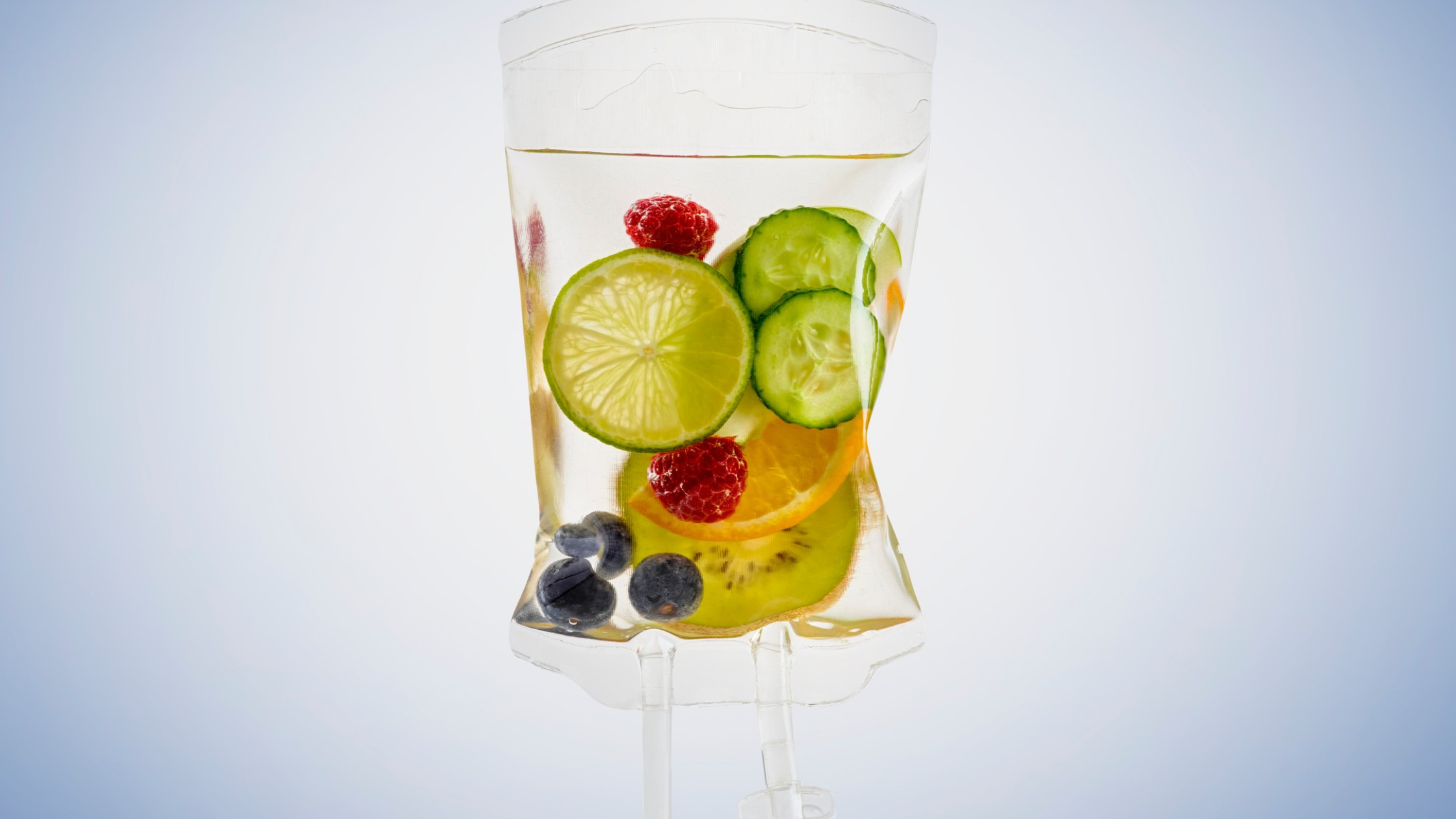
IV Therapy Perspective: Supporting Recovery at the Cellular Level
Megan James — Prime IV Hydration & Wellness
Shared Conclusion: Why a Team Approach Works
Tendon injuries can be stubborn—but they’re rarely just a problem in one place.
Recovery depends on multiple systems working together:
- Movement to stimulate adaptation
- Nutrition to provide the building blocks
- Targeted support to optimize recovery
When these align, the body is far better equipped to rebuild stronger, more resilient tissue.
For many people, the missing piece isn’t more rest or more random exercises…
…it’s taking a more complete, root-cause approach to healing.
Because true recovery isn’t just about getting out of pain.
It’s about restoring your ability to:
- move well
- stay active
- and trust your body again
Ready to Move Past Persistent Tendon Pain?
If your injury keeps coming back, or never fully resolved, it may be time to look beyond the surface.
A personalized, whole-body approach can help you identify what’s missing and support lasting recovery.
Work With Our Park City Team
Physical Therapy & Movement Assessment
Personal PT — Joanna Kahn, PT
👉 personal-pt.com
Nutrition & Gut Health Support
Whole Essentials Nutrition — Emilie Davis, MScN
👉 https://autumnbear.janeapp.com/#/list
IV Therapy & Recovery Support
Prime IV Hydration & Wellness — Megan James
👉 https://primeivhydration.com/locations/utah/park-city-ut/
DON’T MISS THIS!
START YOUR PATH TO BETTER HEALTH
Take our free Gut Health Assessment today and discover personalized steps to improve your digestion and well-being. Don’t wait—unlock the key to a healthier you now!
