
Why Your Gut Symptoms Keep Coming Back After Diet Changes & What to Do Next
Jan 28, 2026
If you feel like your body keeps moving the goalposts, no matter how carefully you eat, you are not failing your health.
You are responding to a system that is asking for deeper support.
Many people arrive at this point after years of cutting foods, rotating supplements, following protocols and still waking up bloated, tired, foggy or uncomfortable. At some point, the question stops being “What food am I reacting to now” and becomes “Why is my gut reacting at all?”
This moment is frustrating, but it is also meaningful. Persistent gut symptoms are information. They point to patterns that haven’t been identified yet, rather than a lack of discipline or effort.
At Whole Essentials Nutrition, this is one of the most common stories we hear. People who care deeply about their health have tried everything they were told should work. When nothing sticks, it can feel isolating and confusing. The good news is that recurring symptoms often follow very clear biological patterns once you know where to look.
First Off, You’re Not Alone
Many people believe they are the exception. They assume everyone else fixed their gut and moved on. In practice, recurring digestive symptoms are incredibly common, especially among people who already eat well and prioritize wellness.
If you have ever said, “I eat better than most people I know, so why do I feel worse?” you are asking the right question.
Digestive health is not only about food quality. It is about digestion, absorption, microbial balance, gut barrier integrity, immune signaling and nervous system regulation. Oh my! When one or more of these many systems is under strain, symptoms tend to cycle, even with a clean diet.
Common Gut Symptoms People Experience
Gut dysfunction rarely shows up as a single symptom. It tends to ripple outward and affect energy, mood, cognition and tolerance to everyday foods.
Many clients recognize themselves in several of the following patterns:
- Bloating or abdominal distension after meals
- Gas pressure or discomfort that builds throughout the day
- Constipation, loose stools or alternating bowel habits
- Fatigue that does not improve with sleep
- Brain fog, difficulty concentrating or feeling “mentally flat”
- Food sensitivities that change over time
- Anxiety, low mood or irritability connected to digestion
- Feeling like nothing works despite doing everything “right”
Research shows that gut symptoms often overlap with nervous system and immune symptoms because these systems constantly communicate with one another through the gut-brain axis and immune signaling pathways.
Why Gut Symptoms Keep Returning
Most recurring gut issues are not random. They are driven by underlying imbalances that continue to signal distress until they are addressed directly. A few of the common root causes include:
Microbial Imbalance
The gut microbiome plays a central role in digestion, immune regulation and inflammation control. Disruptions can occur due to antibiotics, chronic stress, illness, restrictive diets or infections. Dysbiosis has been associated with bloating, IBS symptoms, fatigue and mood disturbances.
Low Stomach Acid or Bile Flow
Stomach acid and bile are essential for breaking down food, absorbing nutrients and controlling bacterial overgrowth. When either is insufficient, symptoms such as bloating, reflux, fullness and nutrient deficiencies can develop. Low stomach acid is far more common than most people realize, and can even be heightened during periods of chronic stress.

Gut Lining Stress and Inflammation
The intestinal barrier plays a major role in immune tolerance. When it becomes inflamed or overly permeable, the immune system can react more aggressively to foods and microbes. This process has been associated with fatigue, food reactions and systemic inflammation.
Chronic Stress and Nervous System Load
Stress changes how the gut moves, secretes and communicates. Ongoing stress can slow digestion, alter microbial balance and increase gut sensitivity. Even supportive nutrition can feel ineffective when the nervous system is constantly in fight or flight.
These patterns often exist together, which explains why surface-level approaches provide only temporary relief.
Why Diet Changes Alone Often Stop Working
Elimination diets can reduce symptoms in the short term, but they don’t address why the body reacted in the first place.
Over time, many people become more sensitive, not less. Foods that were once tolerated suddenly cause symptoms, leading to further restriction and frustration. Research on restrictive diets shows that long-term avoidance can reduce microbial diversity, which may worsen gut resilience over time.
When symptoms persist despite clean eating, it is usually a sign that the body needs information and support rather than more rules.
The Benefits of a Functional Stool Test
Functional stool testing allows us to see digestion, inflammation, immune markers and microbial patterns in one place. Instead of guessing, we can identify what systems need support and which ones do not.
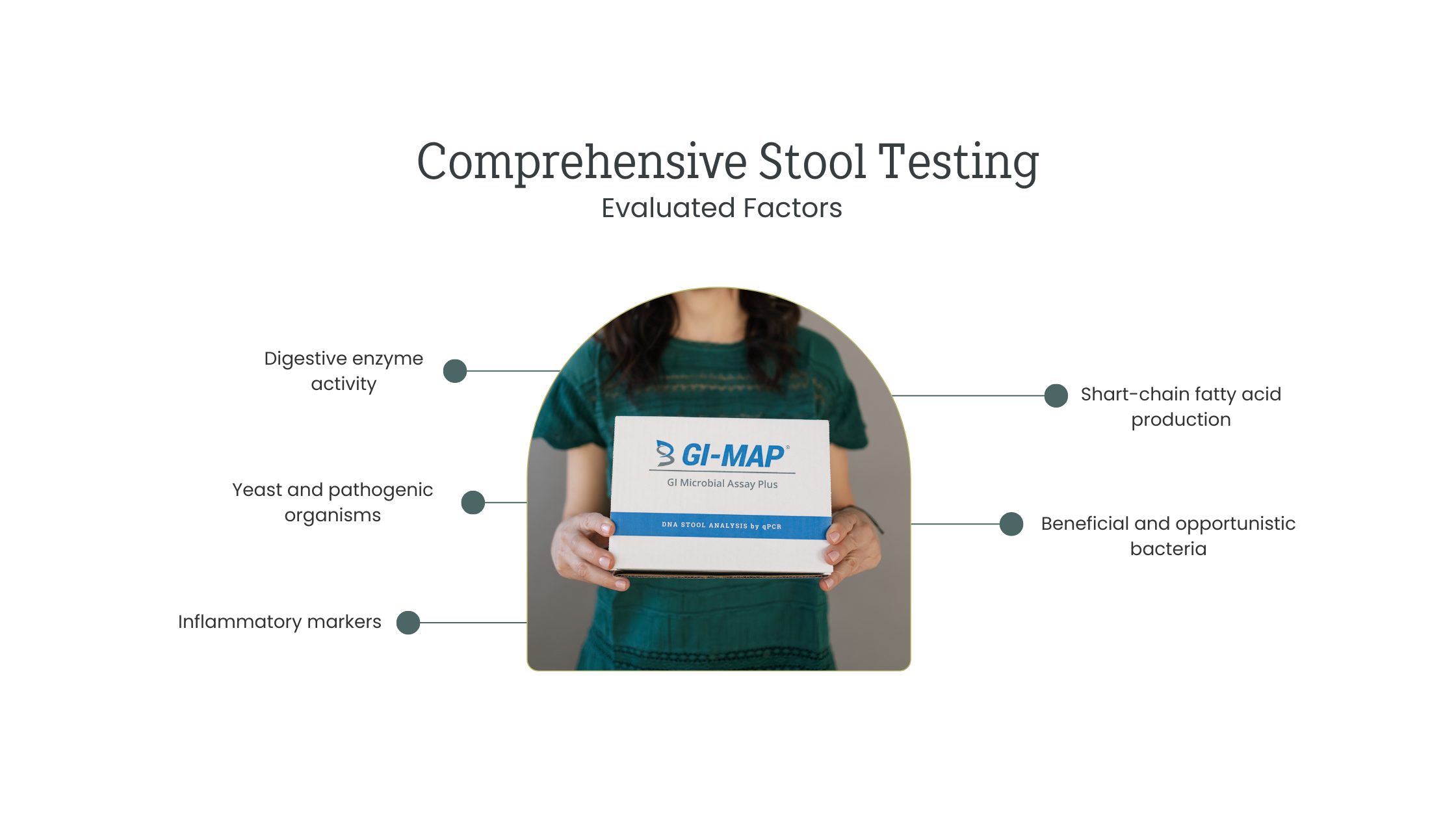
These insights guide precise nutrition and lifestyle interventions instead of trial-and-error. Evidence shows that personalized approaches based on gut function are more effective than generic diet advice.
What a Root-Cause Gut Plan Looks Like
Gut healing is not about doing everything at once. It works best when support is phased, strategic and realistic.
A comprehensive plan often includes:
- Nutrition that supports digestion and microbial balance, without unnecessary restriction
- Targeted supplements, used in the short term and with intention
- Nervous system support to improve gut-brain communication
- Education, so you as a client, understand the purpose behind each step
The focus is on steady progress rather than quick fixes. Healing happens from the inside out, and your plan should feel realistic, manageable, and personalized.
How Whole Essentials Nutrition Supports Clients
If you feel stuck, there is a next step that ≠ more restriction. You can begin with the free Gut Health Assessment to explore patterns that may be driving your symptoms.
If you’re ready to stop guessing and start testing, explore the Gut Restore Assessment, which includes comprehensive stool testing and a personalized results review.
Your body isn’t broken, it’s communicating.
Frequently Asked Questions
Can gut health affect anxiety and fatigue?
Yes. The gut produces and regulates many neurotransmitters and inflammatory signals that influence mood, energy and cognition. Disruptions can contribute to anxiety, fatigue and brain fog.
How long does gut healing take?
There is no universal timeline. Progress depends on root causes, consistency and the type of support required. Many people notice improvements within weeks once the right systems are addressed.
Is stool testing helpful if I have tried everything?
For many people, testing provides clarity when symptoms continue despite dietary changes and supplements. It helps move from trial and error to informed action.
Why don’t supplements or elimination diets work long-term?
Supplements and restrictive diets can reduce symptoms temporarily, but without targeting the underlying imbalance, symptoms often return. Long-term restriction may also reduce microbial diversity, which can make the gut more sensitive.
How can I figure out what’s really causing my gut issues?
Functional stool testing and targeted assessments can reveal microbial imbalances, inflammation and digestive inefficiencies. These insights guide personalized nutrition and lifestyle strategies, helping you move past the guesswork.
Is there hope if I feel like I’ve tried everything?
Yes. Persistent symptoms are a signal, not a dead end. Identifying root causes and creating a targeted, sustainable plan can lead to life-changing improvements, even when multiple diets or supplements haven’t worked before.
DON’T MISS THIS!
START YOUR PATH TO BETTER HEALTH
Take our free Gut Health Assessment today and discover personalized steps to improve your digestion and well-being. Don’t wait—unlock the key to a healthier you now!
