
What Your Second Brain Is Trying to Tell You About Gut Health and Anxiety
May 27, 2026
Feeling more anxious than usual, struggling to think straight, or waking up exhausted after a full night of sleep are symptoms that tend to get filed under stress or burnout or just the side effects of life. They are also symptoms that are frequently traced back to the gut.
The relationship between the digestive system and the brain is one of the most significant and underappreciated connections in the body. When the gut is under stress, the brain tends to feel it. And for many people, addressing the gut is what finally shifts their chronic symptoms.
Common Symptoms People Are Searching For
If you are experiencing a combination of symptoms that do not seem obviously connected, you are likely noticing something important. Some may feel digestive. Some may feel more mental or emotional. Often they are both happening at the same time.
Symptoms include:
- Persistent brain fog or difficulty concentrating
- Anxiety that worsens around meals or digestion
- Low mood, irritability, or emotional flatness
- Fatigue that does not improve with rest
- Bloating, discomfort, or unpredictable digestion
- A growing list of foods that no longer agree with you
- Feeling overwhelmed or burnt out with no clear cause
- Disrupted sleep or difficulty winding down at night
When these experiences overlap, your gut-brain connection is worth examining. Your digestive system and nervous system are in constant communication, and an imbalance in one rarely stays contained to the other.
Why the Gut Is Called the Second Brain
Your gut and brain are in constant two-way communication through a network known as the gut-brain axis. This system involves the vagus nerve, the enteric nervous system, the immune system, and a range of hormones and chemical messengers that travel between the two. What happens in the gut influences the brain, and what happens in the brain influences the gut. The gut earned the nickname "second brain" for good reason! It contains over 500 million neurons and operates with a level of complexity that rivals the central nervous system.
One of the most significant aspects of this connection is neurotransmitter production. An estimated 90 to 95 percent of the body's serotonin is produced in the gut, where it plays a role in regulating mood, sleep, appetite and cognitive function. When the microbial balance in your gut shifts, so does your body's ability to produce and regulate those compounds.
Your gut health and your mental wellbeing are more connected than most people are told, and supporting the second brain can benefit whole-body healing.
The Root Causes Behind These Symptoms
Your gut-brain connection rarely breaks down for one reason alone. It tends to be a combination of things building on each other over time, which is part of why these symptoms can feel so hard to untangle. These are the patterns that come up most often.
Gut Microbiome Imbalance
When the balance of bacteria in the gut is disrupted, the effects can effect your entire body. Beneficial bacteria help produce neurotransmitters, regulate immune activity, and maintain the integrity of the gut lining. When opportunistic strains take over or diversity drops, all of that gets affected. Research confirms that the gut microbiome influences the central nervous system by regulating brain chemistry and neuroendocrine systems associated with stress response, anxiety, and memory function, which is something that was covered during Emilie's recent segment on Fresh Living and a conversation that continues to grow in both research and practice.
Gut Lining Stress and Inflammation
Your gut lining is a barrier between your digestive tract and the rest of your body. When it becomes compromised, sometimes called increased intestinal permeability, it can trigger immune responses that drive inflammation throughout the body. Inflammation affects brain function and calming that gut lining stress is often one of the best ways to improve how you think and feel.
Chronic Stress and Nervous System Dysregulation
Stress does not stay in the mind. It directly slows digestion, alters gut bacteria composition, increases gut permeability, and disrupts the signaling between the brain and the gut. Over time, chronic stress creates a cycle where the gut and nervous system keep reinforcing each other's dysregulation. People can feel stuck even when they are eating well and doing everything else right. This pattern was explored in depth during a Fox 13's The Place segment on stress and gut health, because the nervous system piece is often the last one to be addressed.
Poor Digestion and Nutrient Absorption
Your brain needs a consistent supply of nutrients to support mood, focus, and resilience. When digestion is compromised and your body is not absorbing well, those nutrients are not getting through in the amounts your second brain needs, even when your diet looks good on paper. Magnesium, B vitamins, zinc, omega-3 fatty acids, and amino acids are all part of that picture.
These patterns are hard to address in isolation because they feed into each other. Microbial imbalance contributes to gut lining stress, which drives inflammation, which worsens nervous system regulation, which further disrupts the microbiome. Knowing which factors are most active in your situation is what makes it possible to intervene rather than continue managing symptoms at the surface.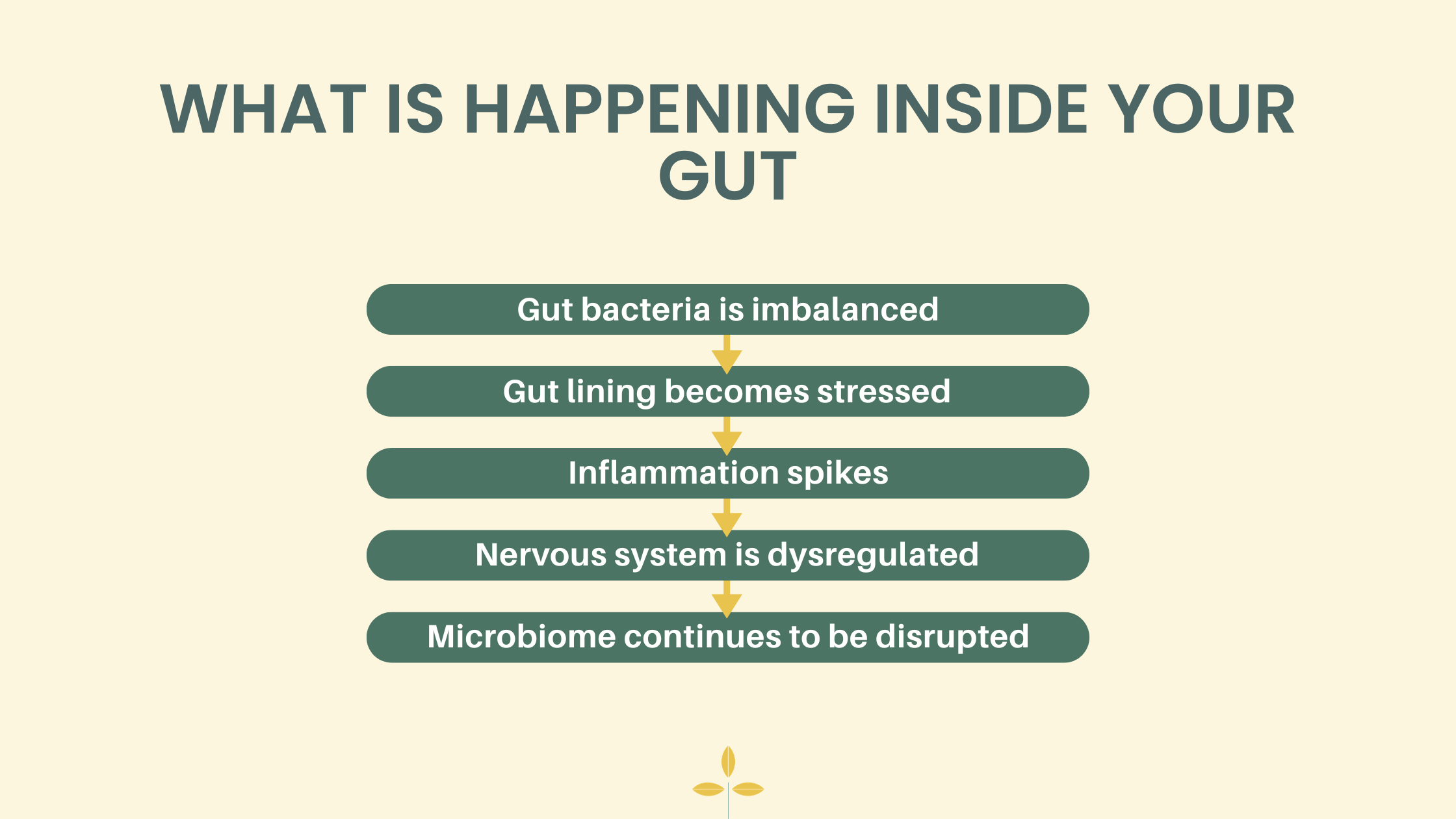
Why Simple Diet Changes Won't Resolve This
You may have already tried cutting out gluten, dairy, or sugar, felt better for a stretch, and then watched the symptoms return. Or made significant changes and seen limited improvement at all. That experience points to something worth understanding.
Elimination addresses triggers, not the underlying environment. It does not rebuild your microbiome, repair the gut lining, improve your body's ability to digest and absorb, or calm a dysregulated nervous system. When symptoms keep coming back despite doing everything you are supposed to, it is usually a sign that more information is needed before the right plan can be built.
How Functional Gut Testing Can Help
A comprehensive stool test looks at microbial balance, inflammation markers, gut lining integrity, and digestion and absorption patterns. If you are experiencing the overlap of digestive and mental or cognitive symptoms, this kind of testing gives you a direct picture of what is happening in your gut environment rather than having to piece it together only using your symptoms.
It does not replace nutrition and lifestyle work. It makes that work targeted and personal, and far more likely to produce sustainable healing.
What Supporting the Gut-Brain Connection Can Look Like
Addressing the second brain is a layered process. It is not about doing everything at once, but working through contributing factors in a way that is sustainable and specific to what your body needs.
- Nutrition that supports the microbiome focuses on adding diversity, fermented foods, prebiotic fibers, and anti-inflammatory foods rather than taking things away. What gets added tends to matter more than what gets removed.
- Gut lining support may include specific nutrients like L-glutamine, zinc carnosine, and omega-3 fatty acids alongside dietary shifts that reduce the inflammatory load on the gut barrier.
- Nervous system regulation is not optional in this work. Breathwork, quality sleep, movement, and addressing chronic stress directly influence the gut-brain axis and create the conditions your gut needs to heal.
- Addressing nutrient gaps ensures your second brain has what it needs to function. This is often identified through testing and addressed through both food and strategic supplementation.
When these pieces come together, the results tend to reach beyond improved digestion. You may start noticing shifts in mood, mental clarity, stress tolerance, and energy that you had stopped expecting. The goal is a gut environment that supports your brain steadily, not one that needs constant management to stay on track.
At Whole Essentials Nutrition, we work with people who are tired of managing their symptoms in isolation and want to understand what is driving them. Through personalized nutrition, functional testing when appropriate, and education at every step, the focus is on building a sustainable path toward a gut and a brain that work together.
The free Gut Health Assessment is a good starting point for identifying patterns that may be contributing to your symptoms. For a more comprehensive look, the Gut Restore Assessment includes stool testing and a personalized results review.

Frequently Asked Questions
Why do I have brain fog after eating?
Post-meal brain fog is often connected to gut inflammation, poor digestion and absorption, or microbial imbalances that affect how your body produces and regulates neurotransmitters. It is a signal you shouldn't ignore!
What foods support the gut-brain connection?
Diversity is the foundation. Fermented foods like yogurt, kefir, sauerkraut, and kimchi support microbial balance, while prebiotic-rich foods like garlic, leeks, oats, and bananas feed beneficial bacteria. Omega-3 fatty acids from fatty fish, walnuts, and flaxseed also play a direct role in supporting brain health and reducing gut inflammation.
Can poor sleep affect gut health?
Yes, and the relationship goes both ways. Poor sleep disrupts the gut microbiome, and an imbalanced microbiome can make it harder to fall and stay asleep. Sleep is one of the most underrated levers in gut-brain health and one of the first things worth addressing.
What is the vagus nerve and why does it matter for gut health?
The vagus nerve is the main communication highway between your brain and your gut. It carries signals in both directions and plays a central role in digestion, immune function, and stress regulation. When the vagus nerve is not functioning well, often as a result of chronic stress, both gut and brain health can suffer.
How long does it take to feel better when supporting the gut-brain connection?
It varies depending on the underlying cause and how long symptoms have been present. Most people begin to notice improvements in energy, mood, and mental clarity within a few weeks to a few months when working with a targeted, personalized approach.
Can gut health affect your ability to handle stress?
Significantly. A healthy microbiome supports the production of neurotransmitters and regulates the body's stress response through the gut-brain axis. When the gut is out of balance, stress tolerance tends to drop, and everyday pressures can feel disproportionately overwhelming.
Is stool testing helpful for mood and cognitive symptoms?
If you are experiencing the combination of digestive and mental or cognitive symptoms, functional stool testing can be genuinely valuable. It gives you a data-informed picture of what is happening in your gut and helps build a plan that addresses the contributing factors and the root cause, instead of working around them.
DON’T MISS THIS!
START YOUR PATH TO BETTER HEALTH
Take our free Gut Health Assessment today and discover personalized steps to improve your digestion and well-being. Don’t wait—unlock the key to a healthier you now!
